
Rottweiler: Complete Breed Guide to Temperament, Health, and Care

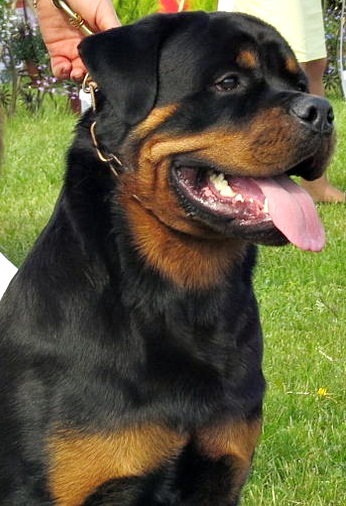
Rottweiler: Complete Breed Guide to Temperament, Health, and Care
The Rottweiler is a robust working breed descended from the drover dogs of the Roman legions, later refined in the German town of Rottweil, where it earned its name working as a Rottweiler Metzgerhund — a butcher’s dog used to drive cattle and pull carts loaded with meat. Today it is recognized by the Verband für das Deutsche Hundewesen (VDH), Germany’s national kennel club, and by kennel clubs worldwide as one of the most capable and loyal guard breeds in existence.
| Origin | Height | Weight | Lifespan | Energy Level |
|---|---|---|---|---|
| Germany | Males 61–69 cm · Females 56–63 cm | Males 50–60 kg · Females 35–48 kg | ~8–10.6 years (varies by study) | High |
Main photo: Томасина / Wikimedia Commons, CC BY-SA 4.0
The Rottweiler at Different Life Stages
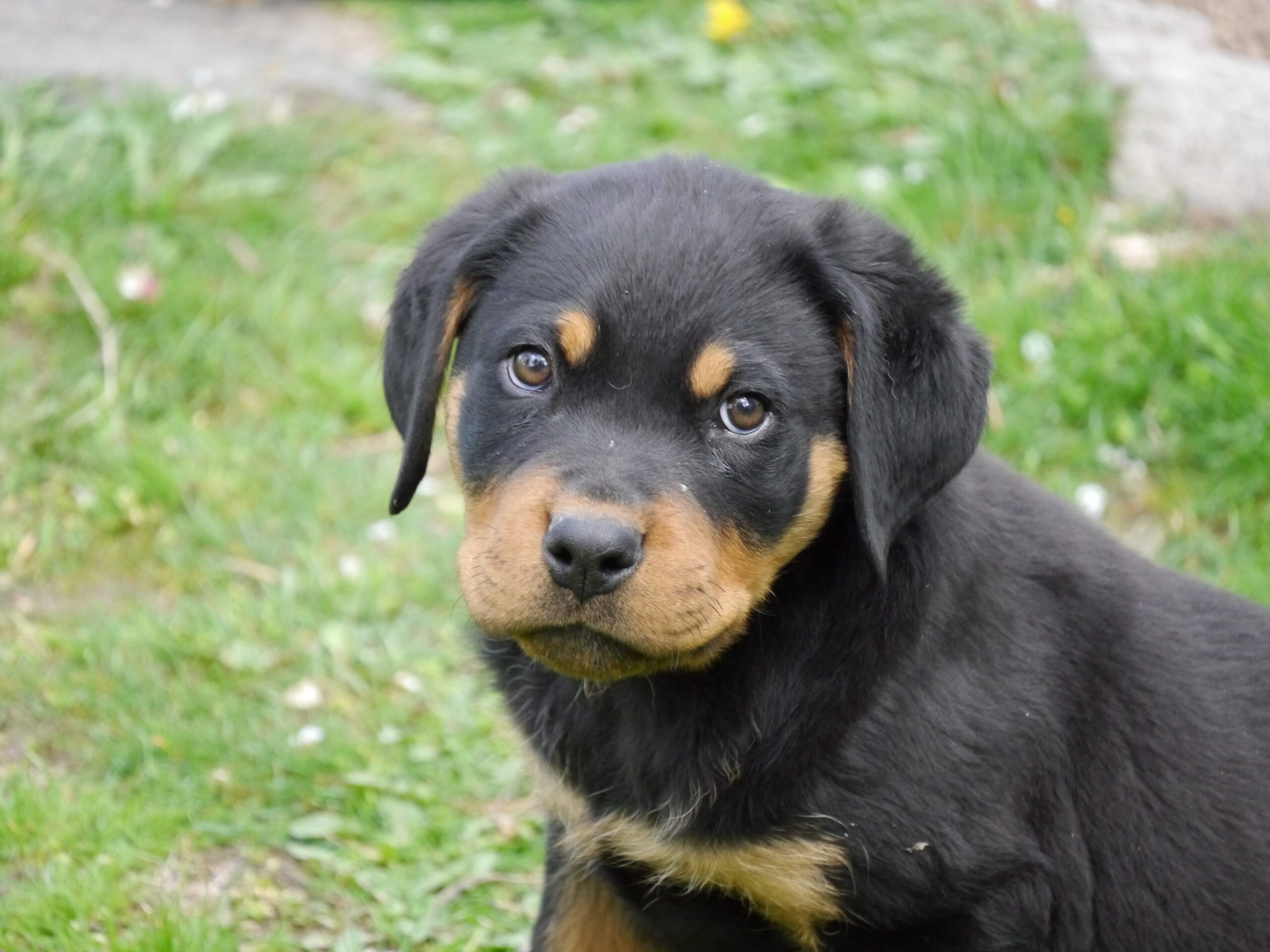
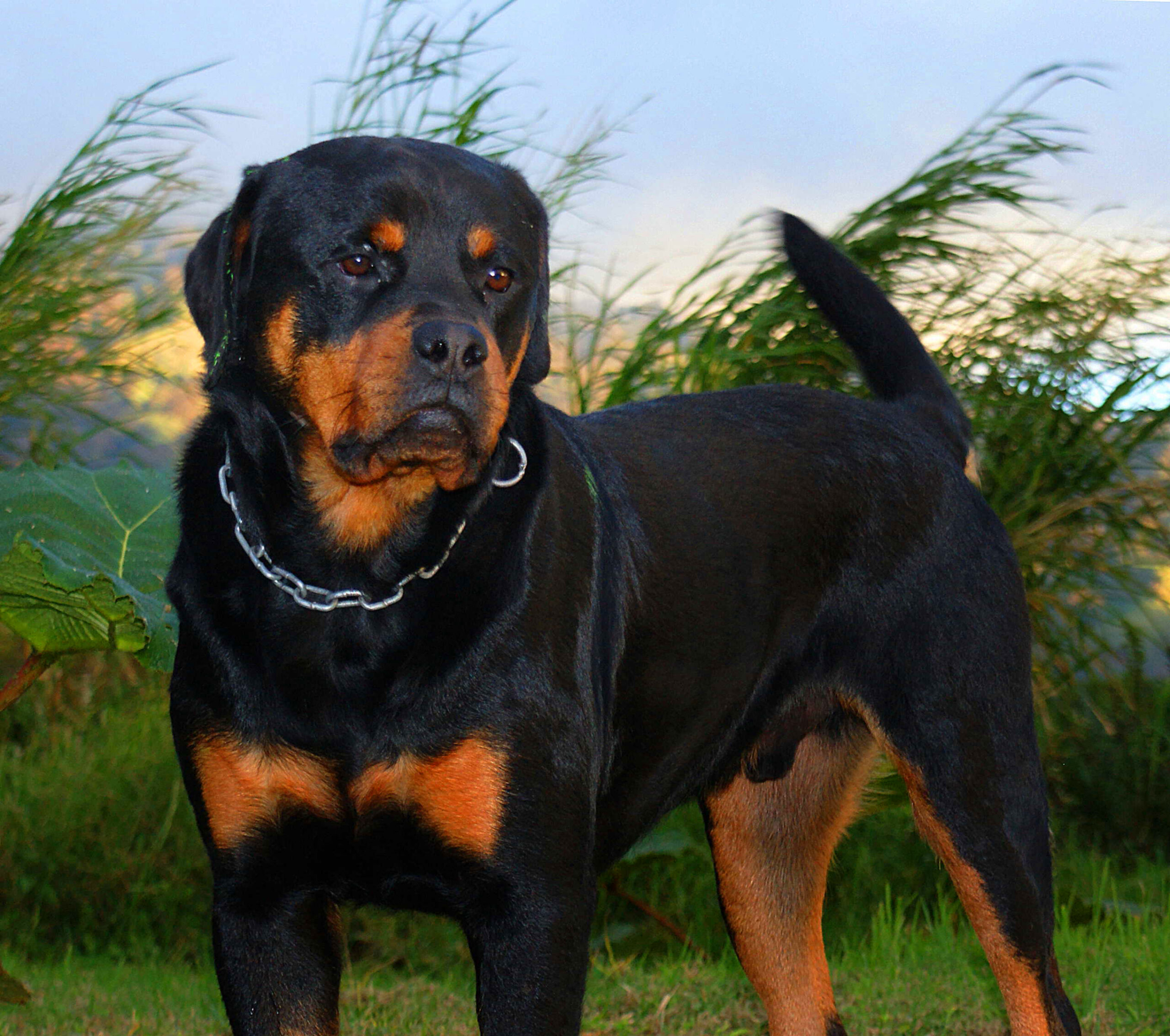
We are actively sourcing a verified, freely-licensed photo of an adult female Rottweiler and a dam with her litter to complete this gallery.
Executive Summary
The Rottweiler is a self-confident, territorial working dog built for strength and endurance. It thrives with experienced owners who can provide structured training, early socialization, and real physical space to work off its considerable energy. Left without direction, its natural guarding instinct can become a liability; properly channeled, it becomes one of the most dependable family protectors in the canine world.
What Owning a Rottweiler Involves
| With proper training & space | Without it |
|---|---|
| Calm, confident family guardian, gentle with its own household | Territorial aggression toward strangers and other dogs |
| Well-socialized around children and visitors from puppyhood | Wariness/reactivity toward unfamiliar people |
| Structured exercise channels its working drive productively | Destructive behavior from pent-up energy in small spaces |
| Regular vet screening catches joint/heart issues early | Undiagnosed hip/elbow dysplasia progressing untreated |
3 Real-World Scenarios
- A first-time large-breed owner in a suburban home with a yard: enrolls a Rottweiler puppy in structured obedience classes starting at 8 weeks — early socialization is the single biggest predictor of a well-adjusted adult Rottweiler.
- An experienced handler training for personal protection or schutzhund-style sport: channels the breed’s natural guarding drive into a sanctioned working discipline, the same instinct the VDH’s founding breed clubs originally selected for.
- A family with children considering the breed: researches breeder health testing (hip/elbow scores) before committing, since the breed’s size and strength mean any behavioral or orthopedic issue has outsized consequences if unmanaged.
2 Rottweiler Facts
1. The breed’s working history traces back to Roman drover dogs that accompanied legions across the Alps — in Rottweil, they interbred naturally with local dogs and became known as the town’s “butcher’s dogs,” pulling meat carts to market for centuries before mechanized transport made the job obsolete.
2. Long-term health studies have found elbow dysplasia in roughly 38% of Rottweilers and hip dysplasia in about 10.5% — both significantly higher than the general canine population — which is why reputable breeders screen breeding stock with radiographs before pairing them.
🐾 Try It: What Breed Does Your Dog’s Description Match?
Click through real physical traits — coat, ears, build, tail — and watch the match percentage climb toward Rottweiler or one of its closest look-alike breeds.
🐾 What Breed Is My Dog? Click the traits you see
Try it instantly — no sign-up. Watch the match bar grow as you go.
For fun and general guidance only — not a substitute for a professional breed evaluation or DNA test.
Rottweiler photo: Томасина / Wikimedia Commons, CC BY-SA 4.0
Nutrition and Exercise
A Rottweiler’s muscular frame burns calories fast during growth and adulthood alike. Diets should be rich in high-quality animal protein, with portion control during the puppy growth phase specifically to slow joint development and reduce dysplasia risk — growing too fast, not just genetics, is a documented contributor. Daily structured exercise (long walks, working games, controlled play) is not optional for this breed; without it, the same drive that makes a Rottweiler an excellent guardian turns into anxiety and destructiveness indoors.
10 FAQs
Are Rottweilers good family dogs?
How much exercise does a Rottweiler need?
What is the life expectancy of a Rottweiler?
What are the main health issues in Rottweilers?
Where does the Rottweiler breed come from?
Is a Rottweiler good for a first-time dog owner?
Do Rottweilers get along with other dogs?
How big does a Rottweiler get?
Is the Rottweiler recognized by an official kennel club?
What was the Rottweiler originally bred to do?
Verband für das Deutsche Hundewesen (VDH): Germany’s National Kennel Club
